Zebrafish (Danio rerio), and particularly their larvae, are small vertebrates increasingly being used as model for the study of human and animal diseases, including viral infections
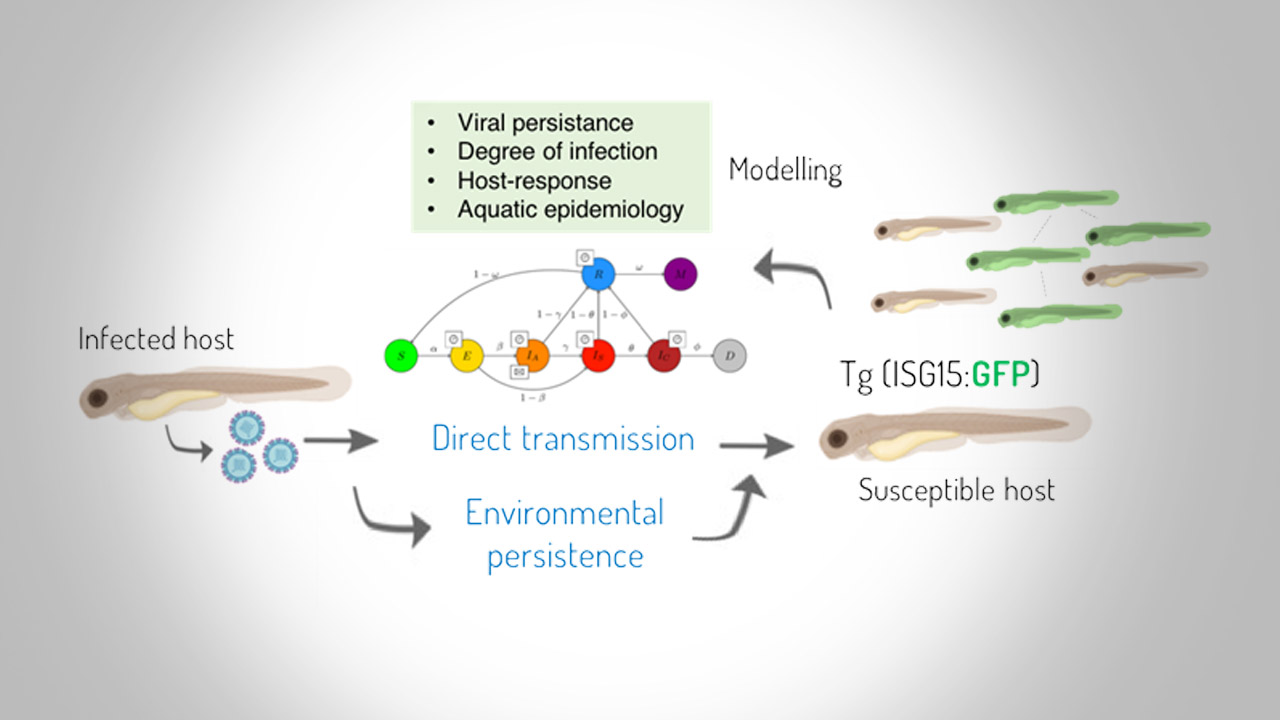
zebrafish is an integrative and optically accessible model system to study, monitor and discover human and animal pathogenic viruses and virus-host interactions in aquatic environments
The use of zebrafish is a new in vivo platform for viral discovery, surveillance and infection experimentation, creating a versatile tool for the discovery and the study of pathogenic viruses in aquatic systems.
This approach constitutes a new and integrative method regarding the relationship between the contamination of aquatic ecosystems and animal and human health. Bridge the gap between the genomic information and real risk of viral infection, bringing us closer to establishing the real risk of these pathogens from the aquatic systems.
This will allow us to expand the knowledge of viral hazards in the marine environment both for humans as well for other animals.
Using fish as sentinels to illuminate asymptomatic and pre-symptomatic virus infections (otherwise invisible), will lead to discover naturally occurring viruses in laboratory settings and other environments.
Host switching is the primary catalyst for infectious disease outbreaks, which pose perpetual threats to human health and agriculture. Understanding how viruses switch host specificities is critical for preventing or managing new viral outbreaks.
Zoonotic and reverse zoonotic transmission platform. A wide range of samples from other environments can be co-housed with zebrafish embryos to discover viruses and immune barriers to transmission within and between host species.